Out Cry
- Portfolio
- 2018
author:
Tennessee Williams
date of production:
2018
video:
creative team
- Director: Evita Ioannou
- Translation: Elli Papakonstantinou, Athina Maximi
- Performers: Thanasis Ioannou, Niovi Charalambous
- Set & Costumes: Eduardos Georgiou
- Music: Dimitris Spyrou
- Lighting Design: Stavros Tartaris
- Production: Theatro Antilogos
description
(The Two-Character Play by Tennessee Williams)
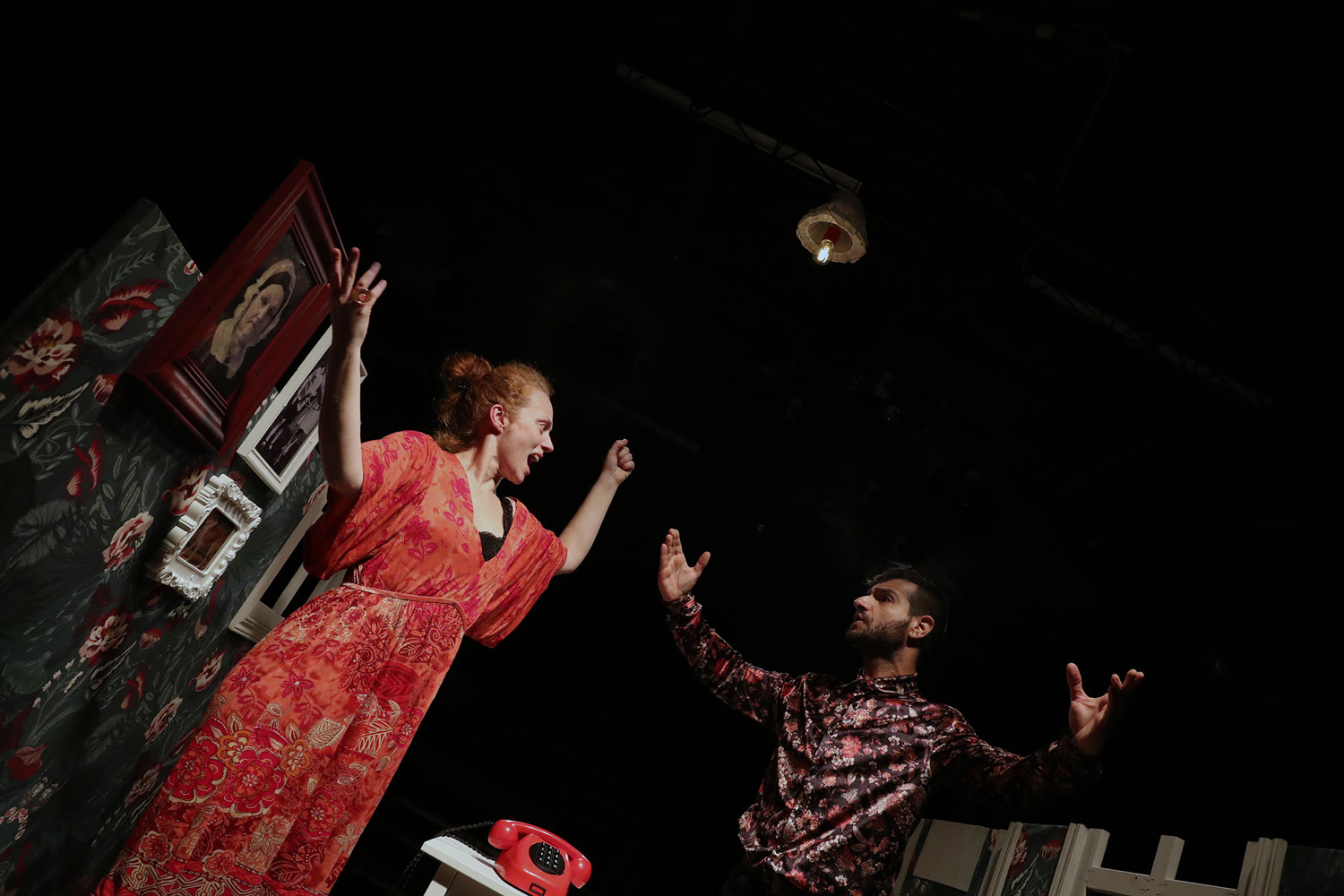
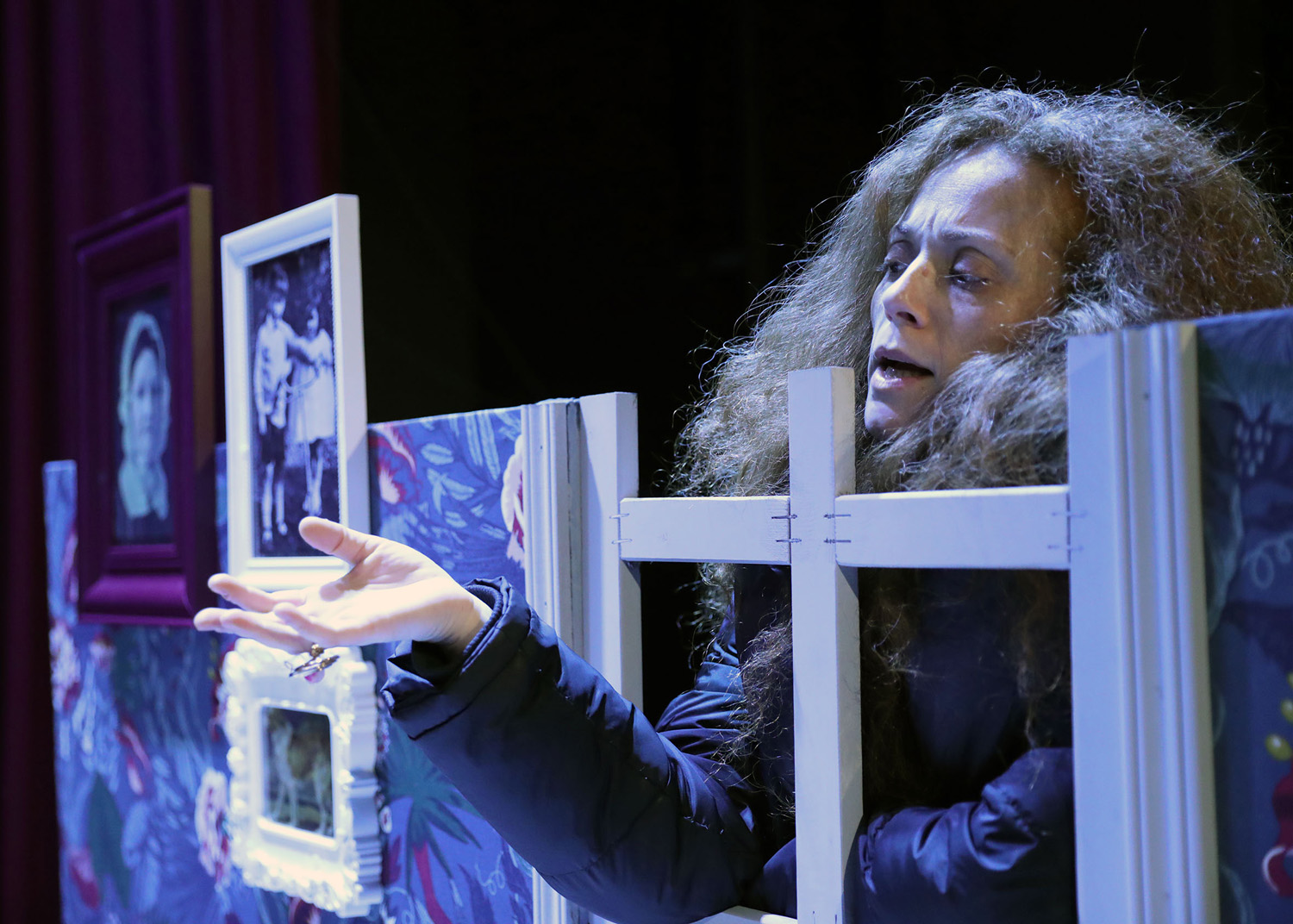
Out Cry is a “theatre within the theatre” piece about two siblings abandoned by their troupe who perform The Two-Character Play, a story that uncannily mirrors their own.
director's note
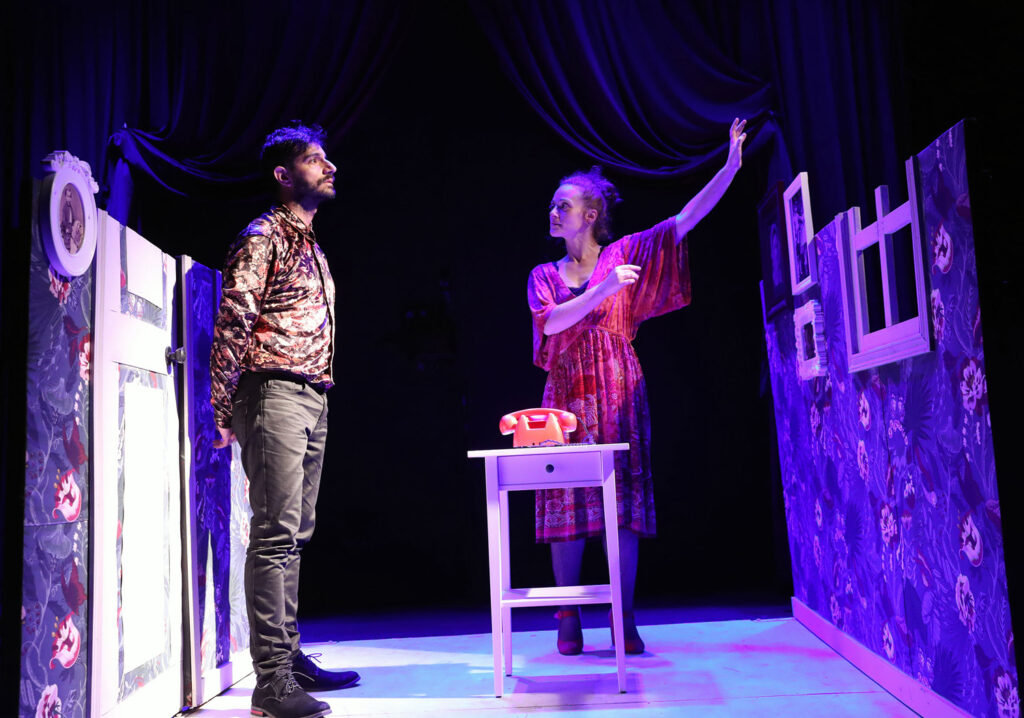
“My best play after A Streetcar Named Desire”: this is how Tennessee Williams described Out Cry (1967), one of his least performed works, which he wrote and rewrote for nearly ten years. What the playwright seeks here is to test the limits of reality and theatre, in order to reveal that the lives of human beings are ultimately the driving force behind artistic inspiration. The truth of life and the lie of theatre are not as far apart as one might imagine. This is the almost Pirandellian condition into which Tennessee Williams places the actors who undertake the two roles in Out Cry. Written shortly after the death of his partner, this Two Character Play, as it was originally titled, carries both Williams’s grief and his faith in the transcendent power of art. It is a production that feels like peering through a keyhole into the making of theatre itself, where Tennessee Williams leaves exposed those moments when the artist’s personal trauma is transformed into Art, and the feeling of entrapment in real life becomes Magic.
>>
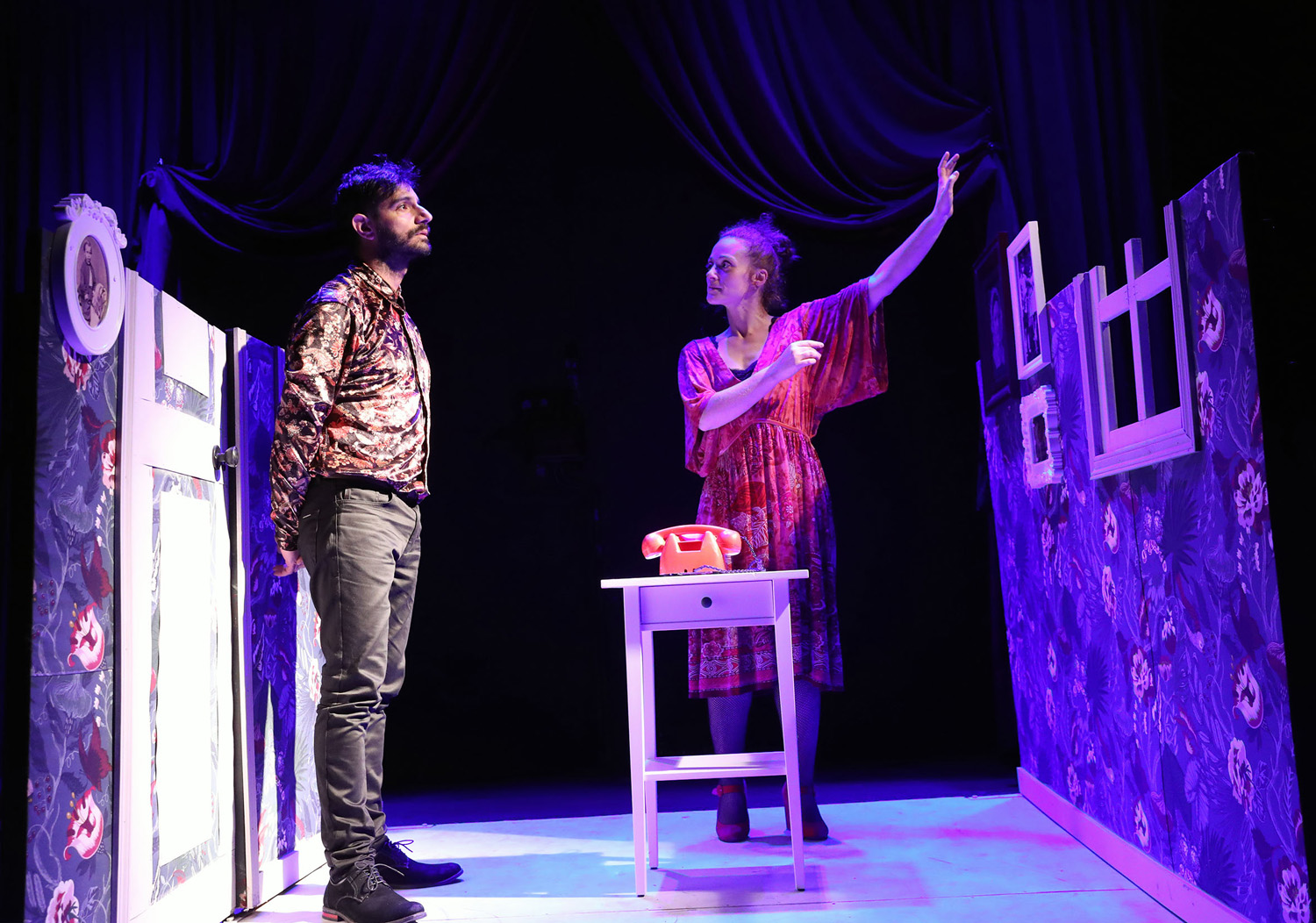
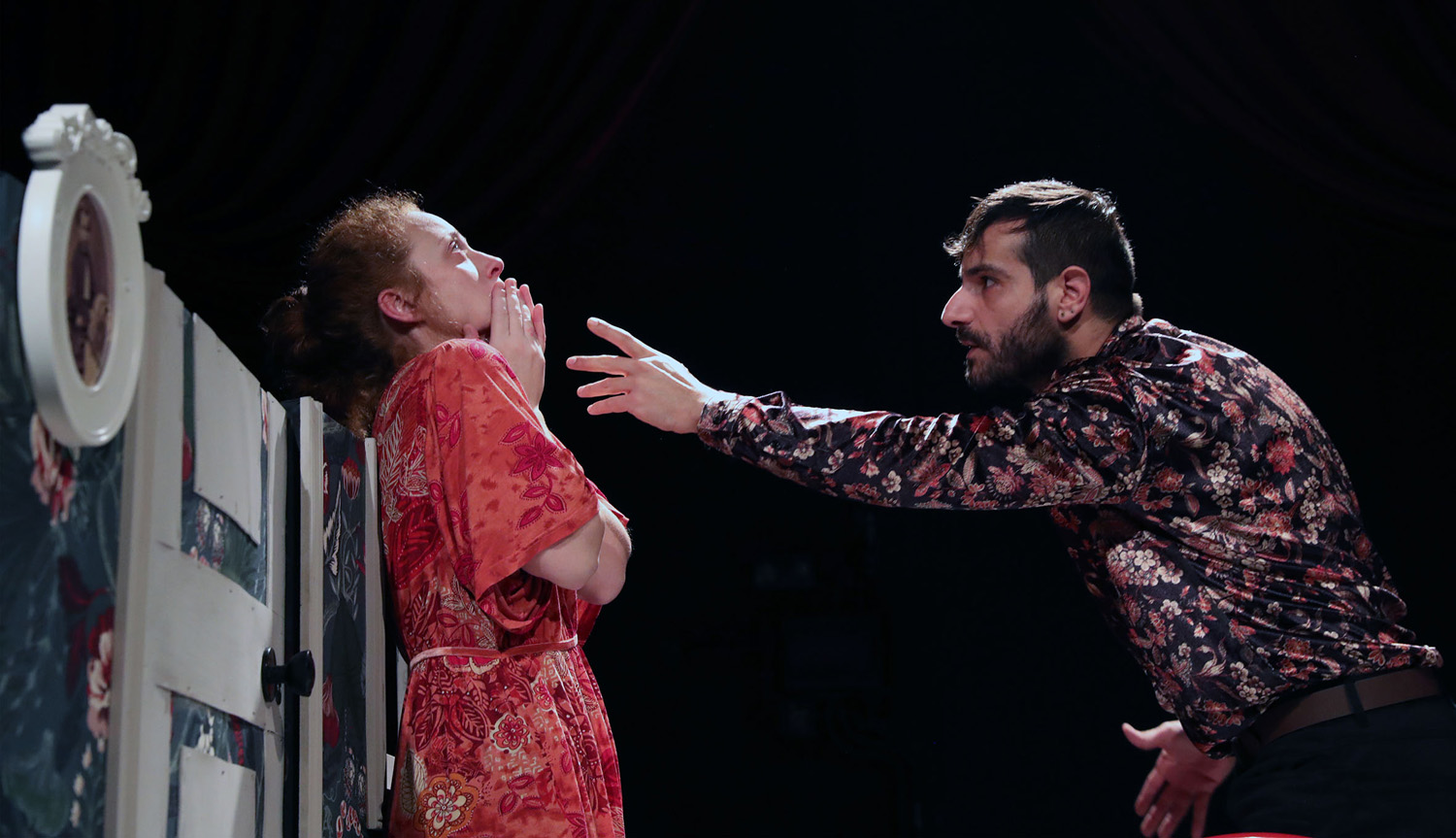
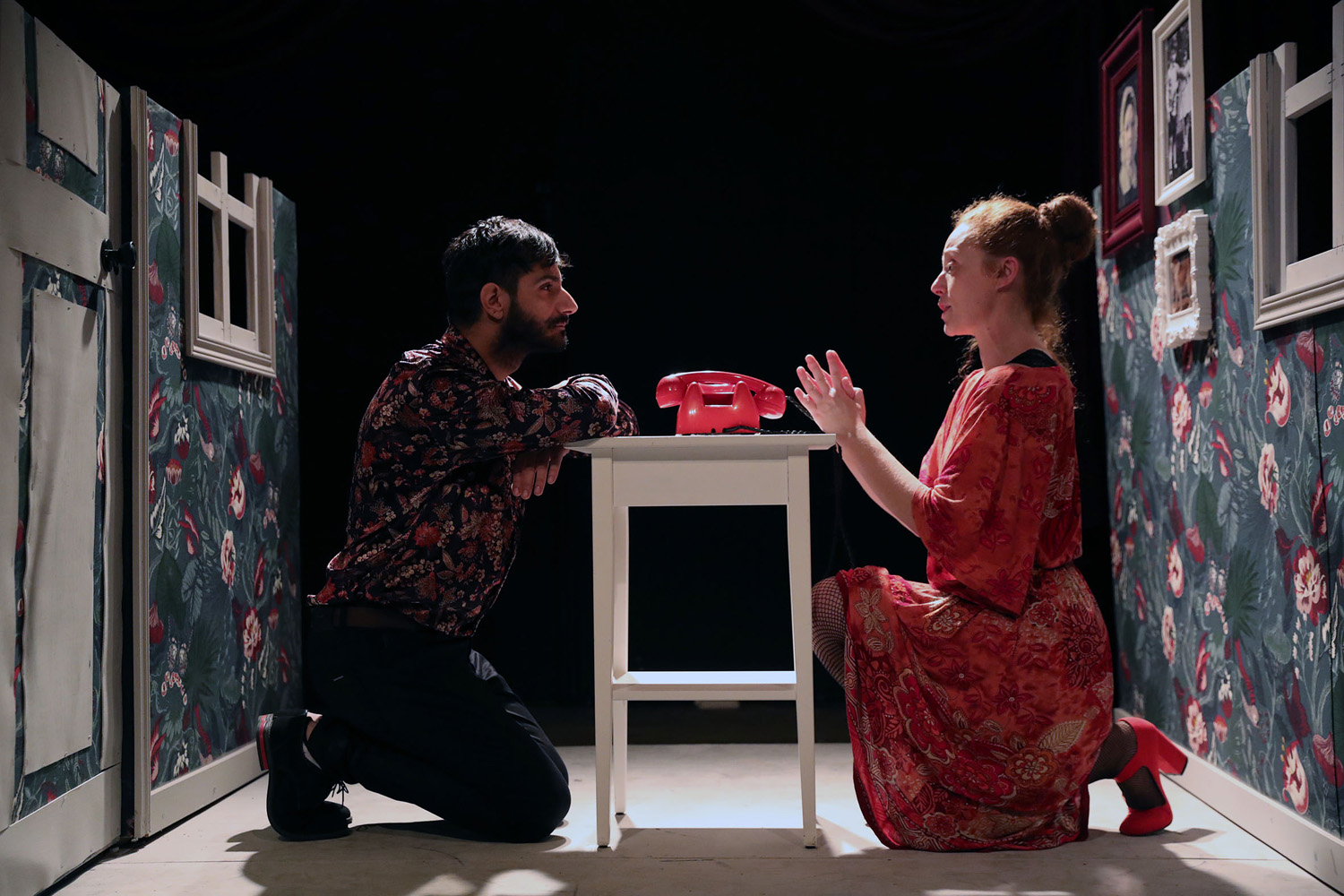
In approaching the text, I decided to make a small intervention. The idea was to give the audience the sense that they were backstage by introducing an invisible audience. This would not only help the actual spectators connect more closely with the characters, but would also more clearly define the story and the condition of “theatre within the theatre.” Through multiple readings, the necessary adjustments were made so that the play could be transferred organically. I believe the final result achieved a distinctive authenticity.
gallery
- Testimonials
What People Said
↓
“Ioannou’s direction cleverly and inventively created a theatre-within-the-theatre, sustaining the audience’s interest to the end in a static, repetitive work with two characters who seemingly voice the same obsessions again and again. With humour, she constructed a grotesque theatrical game between comedy and tragedy, constantly revealing an undercurrent of darkness and confinement.”
Maria Hamali
Theatre Scholar
wRitten for
Out Cry
“A production that stands out even within an unusually fertile theatrical season, where the creative synergy between the director and her collaborators, and the convention of the ‘play-within-a-play,’ elevate the work, making it multidimensional and moving.”
Nona Moleski
Theatre Critic
wRitten for
Out Cry